For many students of Buddhism, reaching an experiential understanding of equanimity and emptiness is quite challenging. Throw dependent origination into the mix and it may lead to all out confusion. But pulling the three together into an understanding of how we suffer and how we get out of suffering may simplify the matter.
Let’s start with dependent origination, also known as Buddhist psychology. Buddha taught that everything arises in dependence upon multiple causes and conditions, that nothing exists as a separate, independent object or entity, including ourselves. Because most humans perceive and react to circumstances as if there were an isolated, distinct cause, we easily become trapped in a chain reaction of suffering. We usually see a situation only through our personal viewpoint and conditioning, only a small part of what’s arising. If we then try to control, change or get rid of it, we create problems for ourselves and others. But when the illusion of a separate, independent self dissolves, we begin to see conditions more clearly. Our vision expands beyond our limited viewpoint, which leads to wise view, insight, and right action when necessary.
For example, when something arises, say, a twinge in your knee during a meditation retreat, you may initially tense against it, try to ignore it, or begin worrying that the pain will get worse. You may analyze where it came from, what you could have done differently, etc. Soon you are lost in and suffering. If you just return to the discomfort, see that it has already arisen, recognizing that many conditions led to that pain, and just let yourself experience it directly, you begin to dismantle the suffering. How? If you don’t nourish your reactivity through resistance and habitual thoughts, there’s nothing to feed your karma and ingrained patterns. The duality of you against the pain begins to dissolve. What’s left is an ever changing pattern of sensation. But you have to be willing to take down your protective veil of separation from the pain itself to reach this insight.
The protective veil arises from a sense of self against the external world. Our boundary of the skin, or somewhere just beyond that, creates a perception of separateness. Of course, that relative boundary is very important in many situations for protection and care of our health and well-being. But suffering occurs when we believe this boundary of self is fixed and unchanging. In reality our bodies and minds are constantly in flux and the concept of our identity is also subject to perpetual change. Just look back ten years and see if your identity, who you believe you are now and who you believed you were then, are exactly the same. There may be an underlying awareness or spark of life that feels unchanging, but is this something fixed to your self-identity?
Quite often, people who haven’t yet experienced no-self will call Buddha’s teaching on emptiness a concept. Yet how many of us refer to our sense of self as a concept? It’s easier for most of us to perceive the self as real and emptiness as an esoteric idea or concept. In reality, if we reverse the two we will be closer to a genuine understanding.
It helps when we can meet our experience, what arises in the moment, with equanimity. People often mistake equanimity for indifference or detached neutrality. But it’s actually the ability to stay present with our situation without reactivity, or if we do react, to see it and stop feeding it. If we experience a loss, for instance, meeting the pain of that loss with equanimity doesn’t mean we don’t feel the pain. Instead, we allow the arising of that pain without interference, and eventually it passes on its own.
To pull the three together, equanimity, dependent origination and no-self, I’ll share an example from my own experience. For many years I was in an unstable romantic relationship. I was sure he was “the one” and did everything I could to ensure his long term commitment. Yet, he kept pulling away. I would go through waves of pain and suffering whenever he left and rely on my therapist to help me find the root of the problem so I could get on with life. She was quite helpful to me, yet each time I reached a point of acceptance, my boyfriend came back. Again and again I took him back into my life while ignoring the troublesome patterns inherent in our relationship. “This time things will be different,” I repeated like a mantra. Regardless of my hopeful attitude, our old patterns always reemerged along with his restlessness.
This pattern went on for a number of years. Through therapy and meditation, I learned to work with my reactions, clinging and desires until significant space opened up. I felt more relaxed and less needy, I dated other men and felt relatively content. But just when I felt truly ready to get on with my life, he asked me to move in with him. Intuitively I knew it was a bad step. But the more I thought about it, the more I convinced myself that we had both changed enough to make it work. Soon, however, our new level of togetherness revealed our incompatibilities even more acutely. I stubbornly persevered until one night we had an irreconcilable disagreement. Suddenly all my years of effort and therapy, everything I did to make it work, came crashing down. I had been so focused on trying to control the situation, to make it right, to fix the “cause” of the problem, that I ignored the obvious and deeper conditions that prevented us from being compatible. In my limited view of the situation, I missed to the full spectrum of conditions that were beyond my control.
I had been blinded to dependent origination because I craved his attention so badly. I thought his love would complete my identity, my sense of self, even though living with him didn’t fulfill me at all. I finally saw the disconnect, the broader conditions that made our relationship incompatible. At last I had the courage to completely let go. I realized I had been holding on to a fixed idea of my identity as someone who needed to be in a relationship no matter how flimsy it was. And most of all, I was finally able to meet the situation with equanimity. The truth hurt but I didn’t push it away. I quit trying to cover it over with a worn out narrative about how one more step, one more effort at self improvement, would unlock the door to our love.
This awakening was one of the most liberating moments of my young adult life. I realized that this “self” didn’t need someone outside of me to validate my very existence. There was nothing fixed about my identity; moment to moment my “self” was in flux, yet also worthy of kindness and compassion. This realization didn’t mean I quit longing for a loving relationship. But I realized that it wasn’t essential to my existence or happiness. Living this moment brought true fulfillment, with an open heart, in sadness and in joy. At last I could embrace my loneliness, my broken heart, something that had been with me long before I met and lost my “ideal” man. Through accepting that broken heart with equanimity I found for the first time in my life the joy I had been seeking for so long.
– Lisa Ernst

 Please join us for a day of mindfulness as we combine meditation and the practice of contemplative photography. We will use our cameras as a means to reflect our mindful awareness of this moment in its myriad, ever changing forms. This contemplative approach to photography often yields unexpected and remarkable results that differ from conventional shots. There’s no need for expensive equipment or technical knowledge, just a willingness to meet the moment with your camera in an open and receptive state. A simple, yet profound joy often arises in this alliance of mind and heart, camera and surroundings.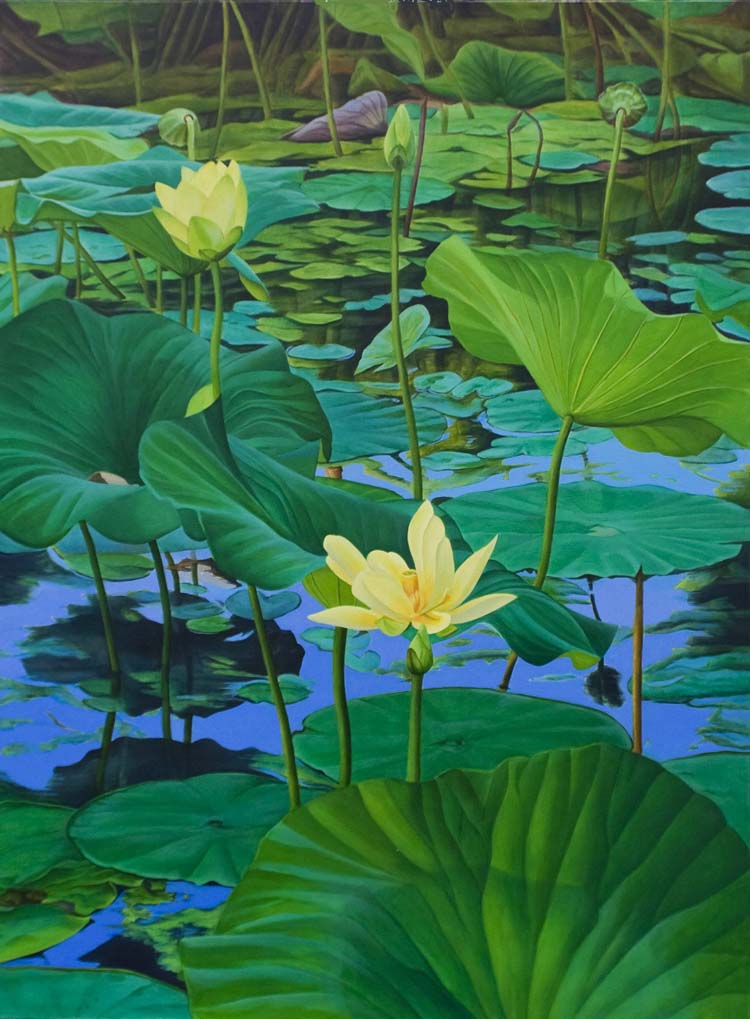




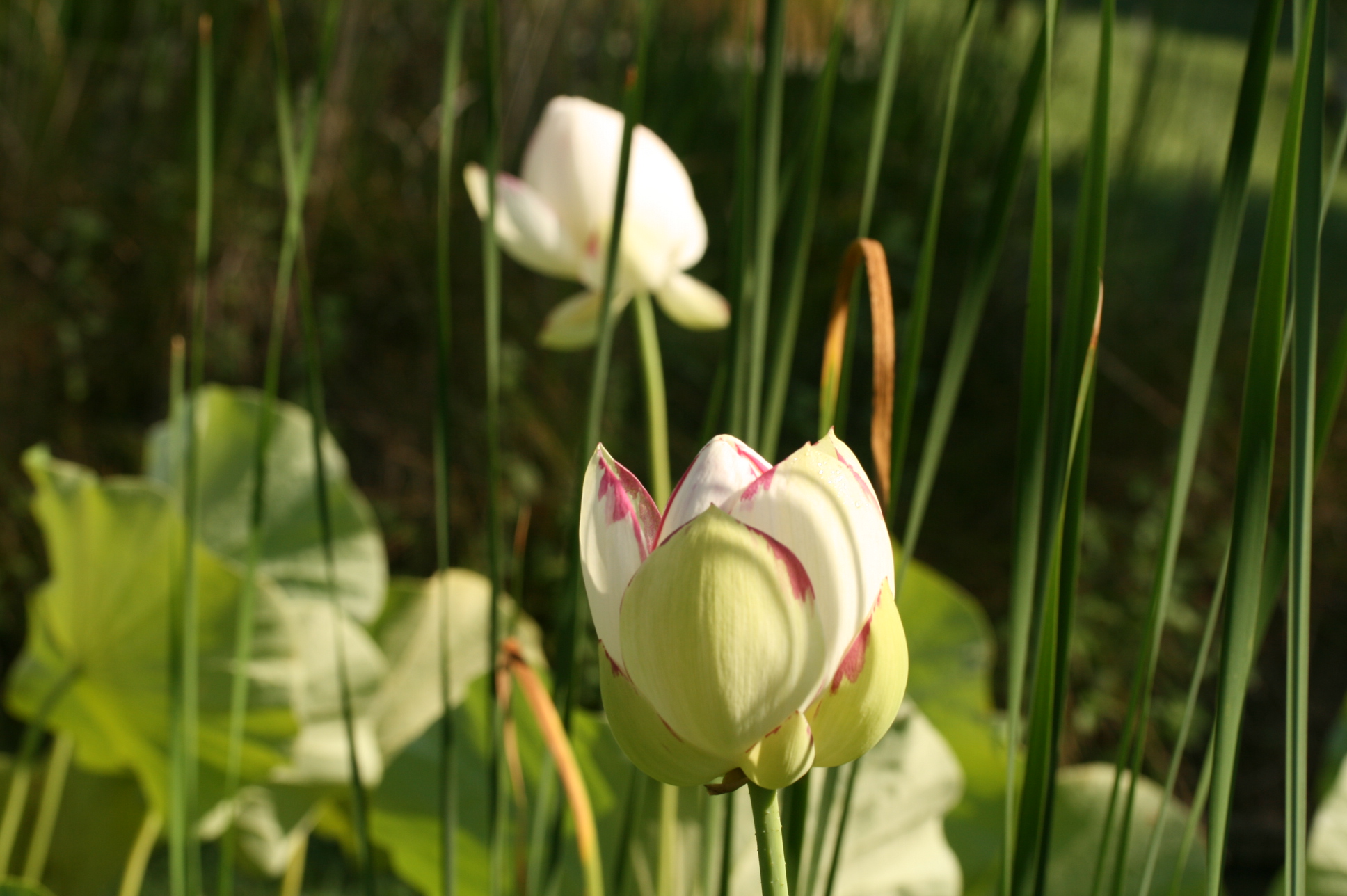
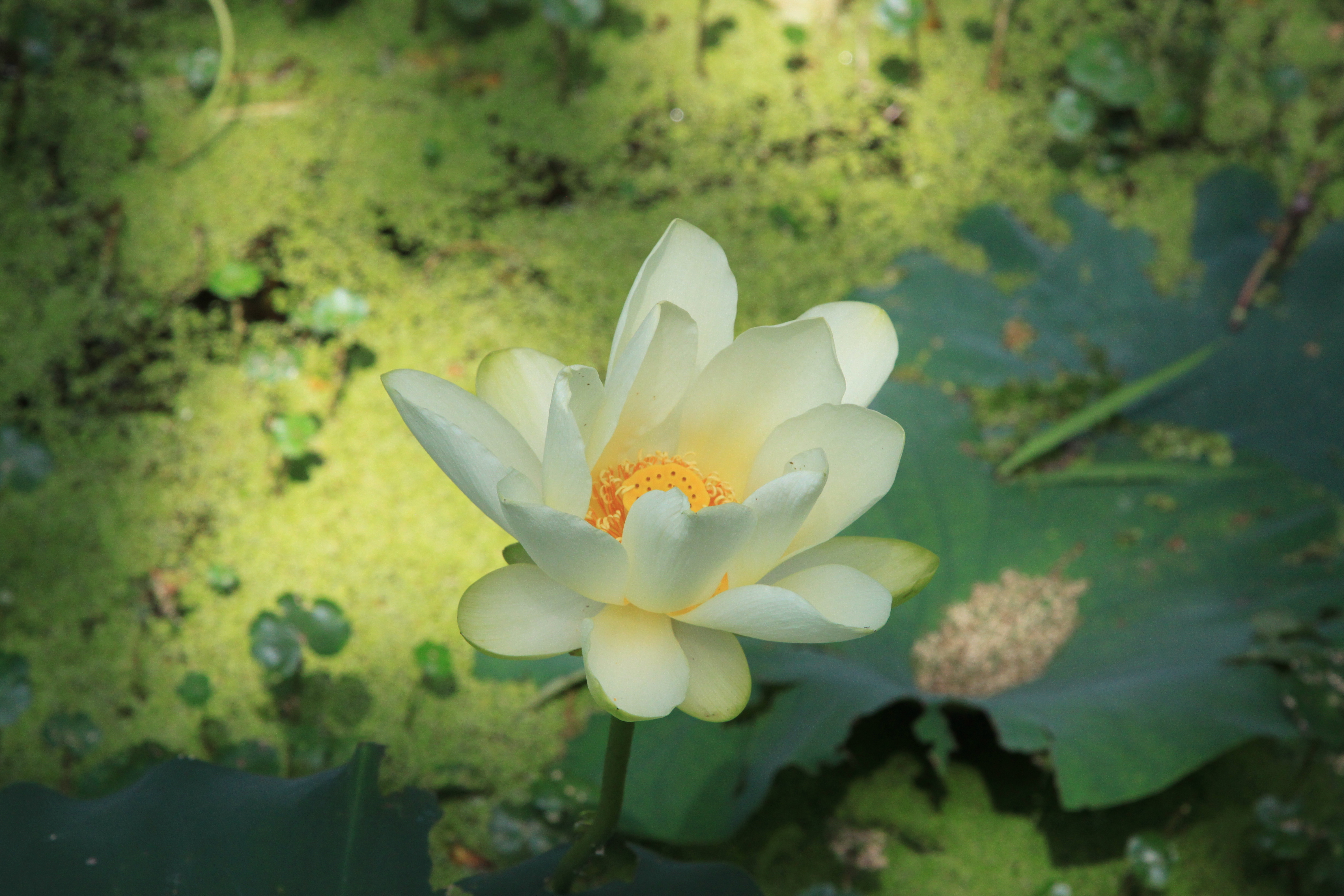
 The Lotus Blooms in The Mud