Mindful Photos from Saturday’s Retreat

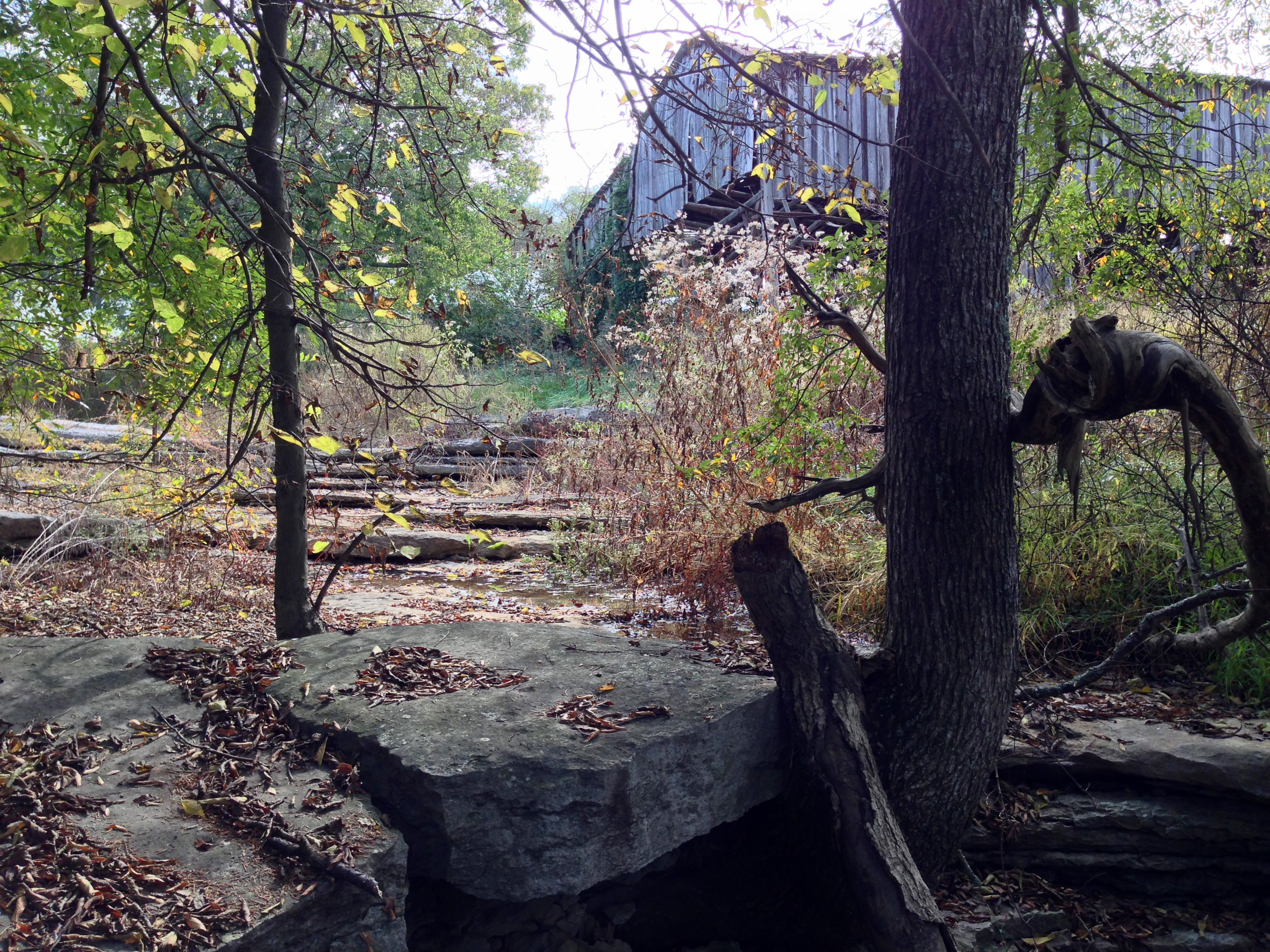
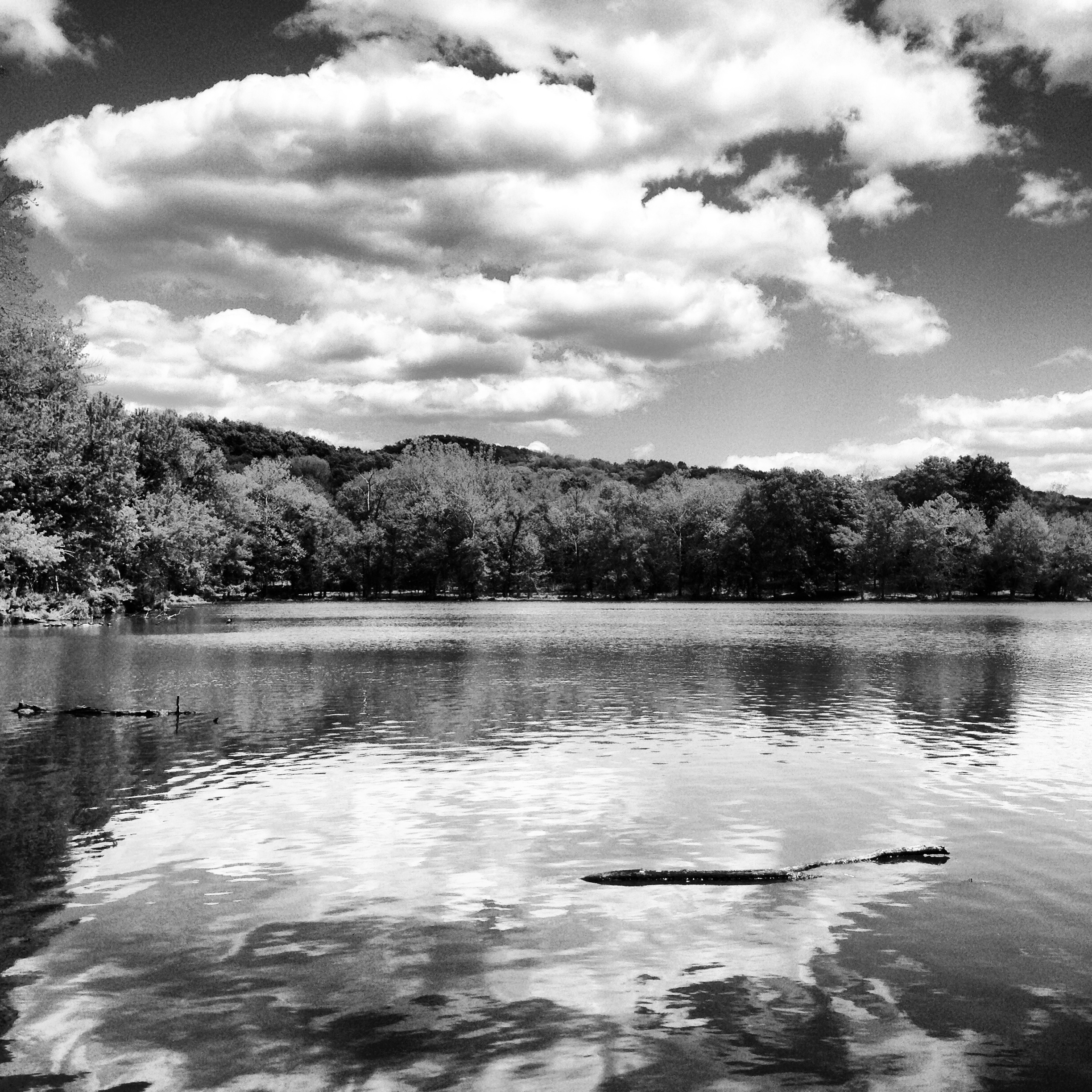
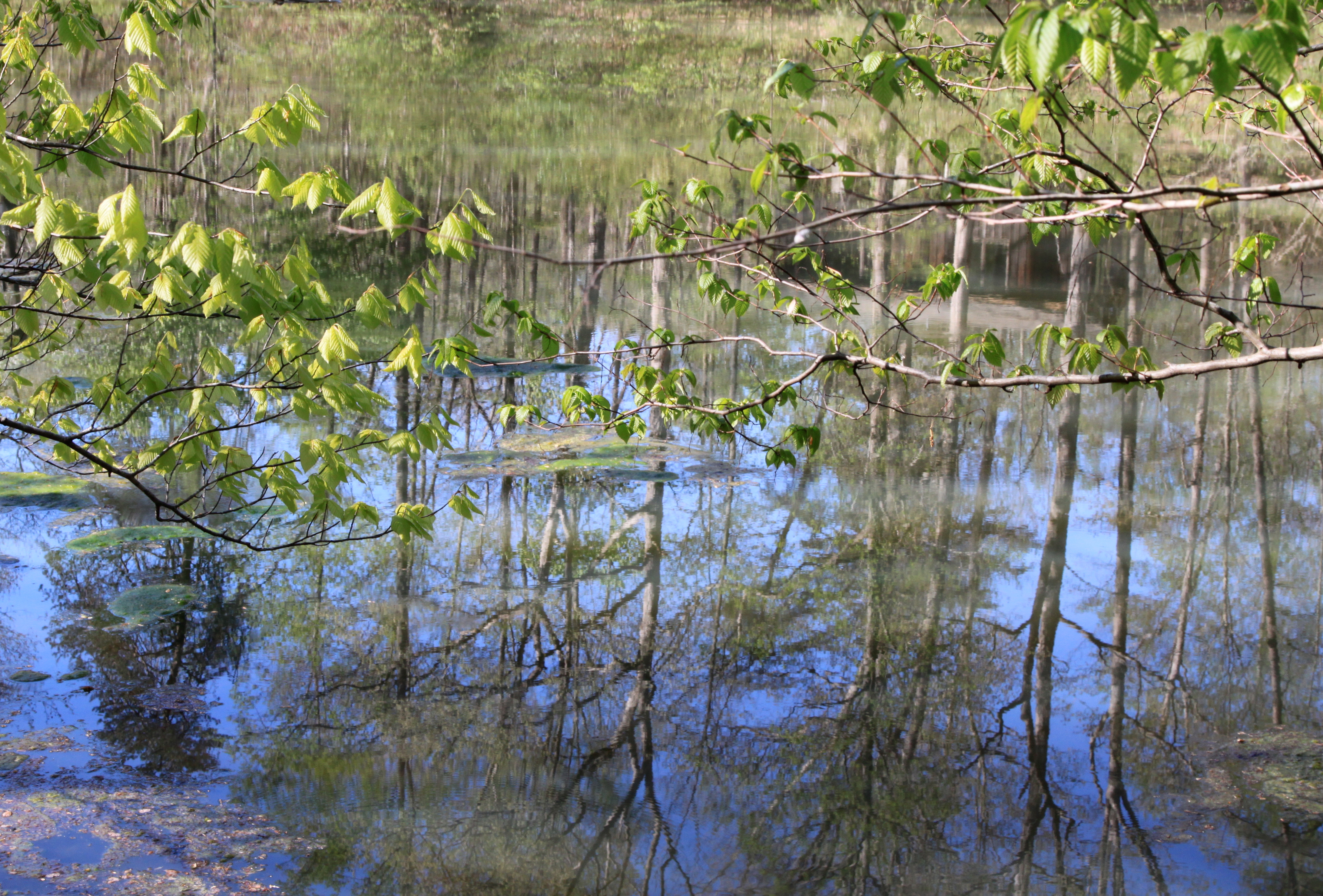
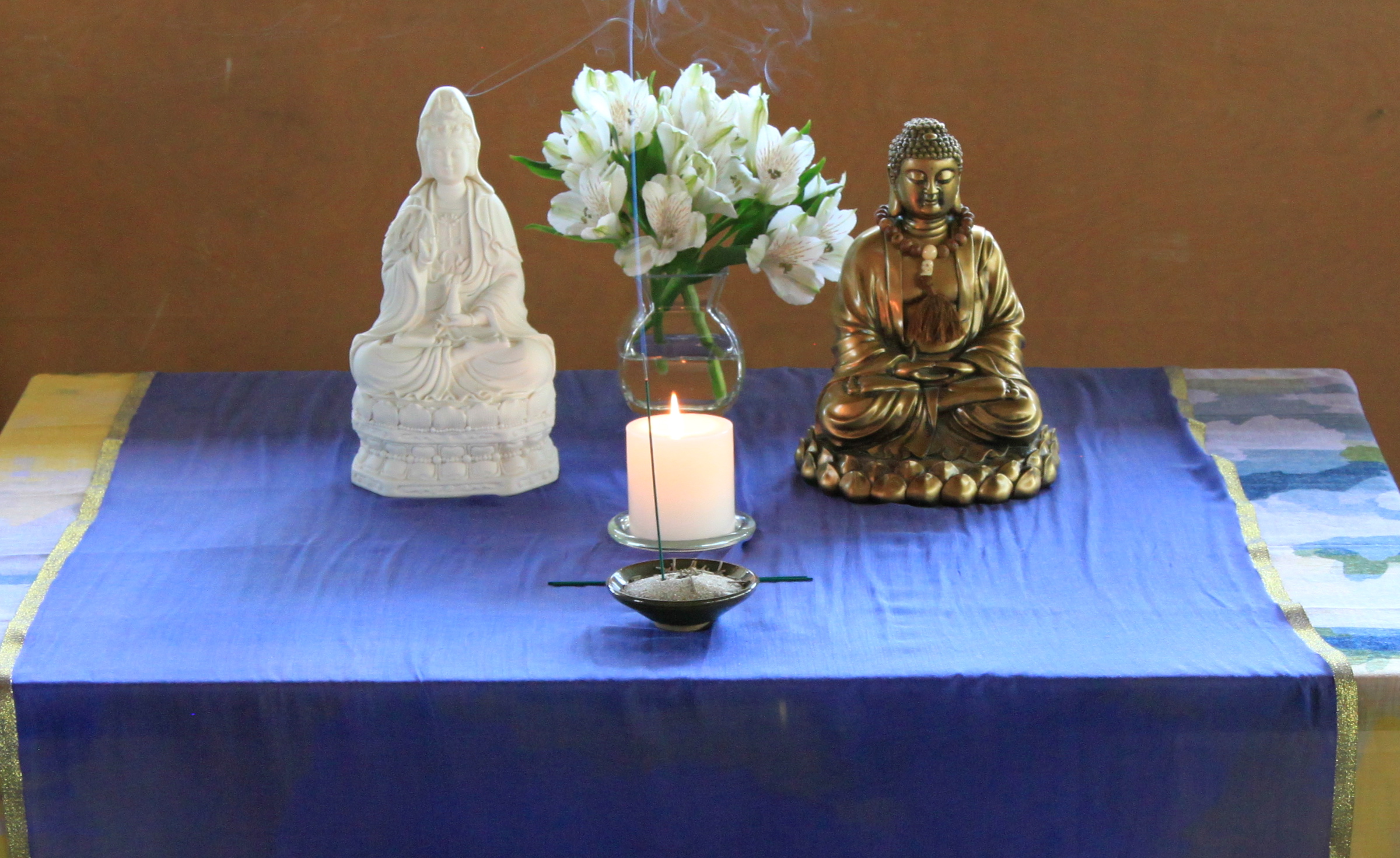
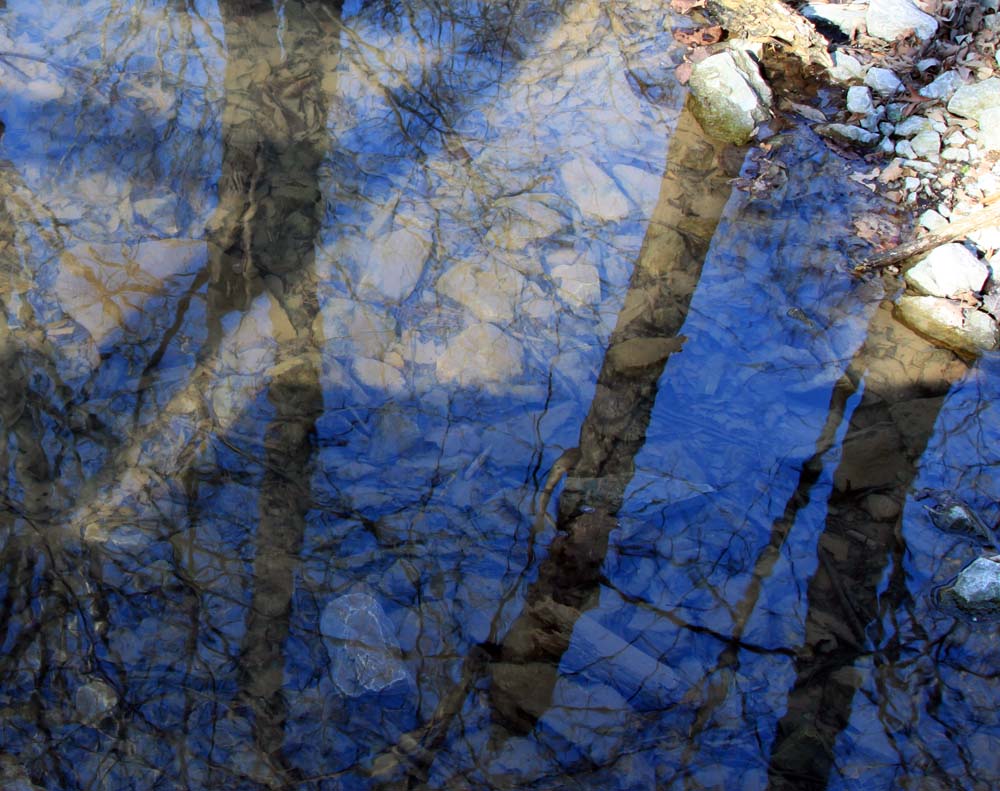
Last Saturday I led a Contemplative Photography and Meditation Retreat at a farm outside of Nashville. It proved to be a particularly rich environment for shooting. The day was sunny, slightly cool and windy in the afternoon. Great cloud formations too. Here are a few of mine:

Patsy's Farm

Patsy’s Farm

patsysfarmadj windyskyTo see the full album from our group, go here.

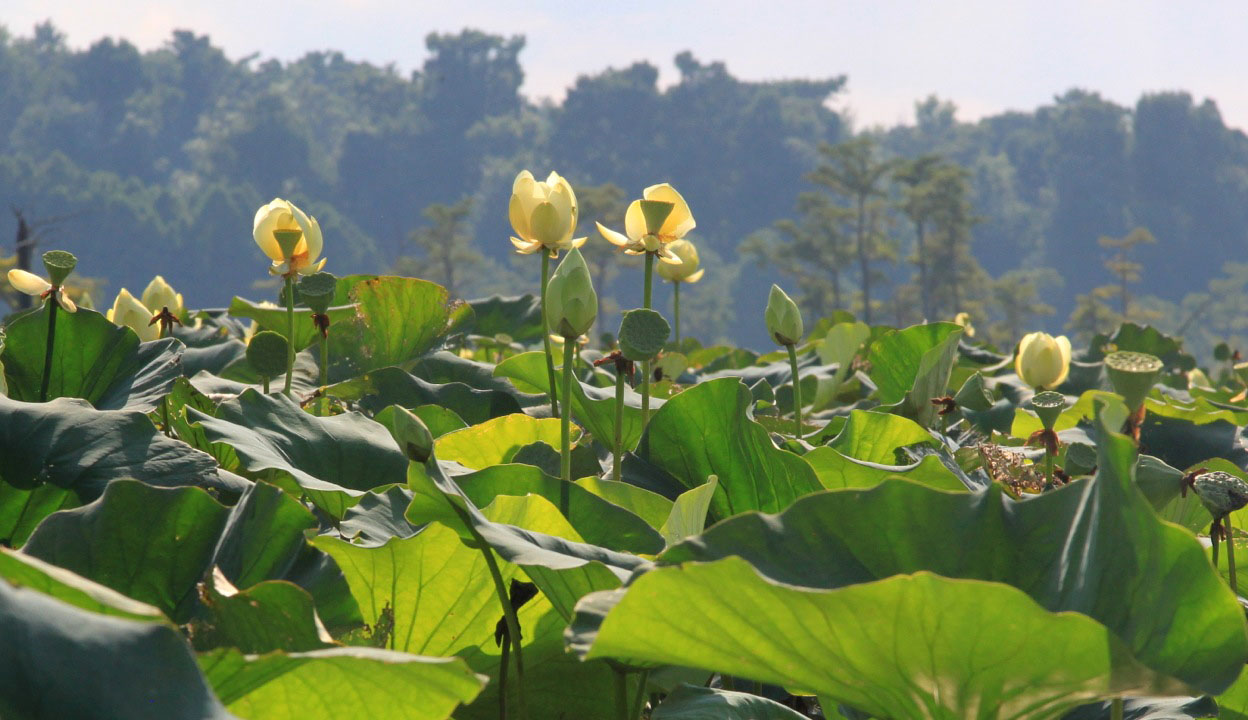
This Very Place

lotusbacklit2

How boundless the cleared sky of Samadhi!
How transparent the perfect moonlight of the Fourfold Wisdom!

At this moment what more need we seek?
As the Truth eternally reveals itself,
This very place is the Lotus Land of Purity,
This very body is the Body of the Buddha.

– Song of Meditation, Hakuin Ekaku Zenji


Bridging the Gap: When Compassion Starts Here

As with many spiritual traditions, Buddhism emphasizes cultivating compassion as vital to a spiritual life. Most of us want to be compassionate at heart yet at times we may struggle to manifest it skillfully in daily life. What happens when we see a homeless person on an empty street and we recoil rather than feeling a warm prod to reach out and help? Maybe a family member needs our support but we’ve had a long history of conflicts and misunderstandings and we struggle to extend a hand. Perhaps a co-worker who always seems aloof or combative has a tragic loss. Instead of feeling a sense of caring and interconnection with their suffering, we feel neutral, detached.

At times like these our response to misfortune and suffering is misaligned with our ideals. When we see this gap, we may feel even more separate. This can easily turn into self judgment and criticism: “I’m not a very compassionate person;” “I don’t have the courage to help;” or even, “that person doesn’t deserve kindness.”

When our response doesn’t conform to our ideals, it helps to remember that compassion won’t blossom until we accept our immediate reaction. This is the gap—when our response and our ideals are out of sync. Instead of identifying only with our ideals, or judging ourselves for an unwanted response, we can learn to stay in the gap, the open place where we can experience our fear, our hurt or our frustration when our desire to help goes nowhere. This is where compassion begins. Returning to this place, our bodies, our hearts, what is truly arising at this moment?

If you’re walking down the street and encounter a homeless person, can you see the moment aversion arises and just experience it? It may not happen immediately, but once you’re aware of it, take a few breaths and stay in the midst of your experience. As you learn to do this, your conditioned response will begin to diminish, even dismantle. The contraction of fear will soften, the sense of separation, born of that fear, will also dissolve. As we lose identification with ourselves as a separate entity, we experience the homeless person’s suffering directly. We know its not different from our own, just another flavor made manifest. Maybe there’s nothing we can do in that moment to help. Sometimes the correct response is to distance ourselves if the situation seems unstable. But if there’s no immediate threat, perhaps simply a smile, an acknowledgement that we actually see this human being, is the kindest response. Longer term, we may seek out concrete ways to help if we feel moved in this direction.

The roots of suffering run deep. As we learn to stay in the gap, not turning away from our fear or aversion, a skillful and compassionate response is closer at hand. As Ajahn Chah puts it, “There are two kinds of suffering. There is the suffering you run away from, which follows you everywhere. And there is the suffering you face directly, and so become free.”

Wind and Clouds

photo

The wind traverses the vast sky,

clouds emerge from the mountains;

Feelings of enlightenment and things of the world

are of no concern at all.

~ Zen Master Keizan Jõkin

No Choice, No Excuses: How to Stick With a Daily Meditation Practice

One of the most seemingly simple, common questions I’m asked by students is how to establish a daily meditation practice. Easy to ask, but hard to do, even for long term meditators. New meditation students usually want the nuts and bolts of getting a daily practice going. Often, however, I’m asked this question by people who have been meditating sporadically for years, even decades. They already know the drill, but perhaps they secretly hope there’s some trick they’re overlooking that will make the practice fall into place. The simplest, most straightforward answer I can give is always the same: “no choice, no excuses.” That’s it. If you approach a daily practice with this attitude, you will be successful. There are many good books on how to meditate, so my focus here will remain on establishing the discipline and commitment to sit daily.

Meditation has to be a priority equal to sleeping, eating, showering and brushing your teeth. We do these things every day, no questions asked. Its just part of caring for our lives. We find time for these activities. But when it comes to meditation, all too often the time disappears. Is maintenance for our bodies truly more important than maintenance for our minds? As Chogyam Trungpa put it, “It’s as if you think you’re a victim of your life and not of your laziness.” This may seem harsh, and I’ll leave it up to you to discern if there’s truth here for you. We can easily occupy our minds with  social media, internet, television, etc., but not with meditation. How can that be true?

It helps if you’re a naturally disciplined person. When I started my mediation practice, I had a tendency toward discipline in most parts of my life. I could apply that disciple to my practice. But I was also very motivated. I saw meditation as something so vital to my life that I wasn’t going to give myself a choice. My monkey mind often had different ideas, though. Excuses would arise, sometimes every morning, especially if I had overslept or had a full day ahead. I learned to acknowledge those voices but go about my meditation anyway. The more I practiced, the more I knew I didn’t have to believe my thoughts, including my reasons for not meditating. Those thoughts represented a familiar pattern of resistance, the mind that didn’t want to look at itself closely and intimately without distractions. Sometimes it was scary, seeing and experiencing myself so clearly. And that’s what we get on the cushion: an intimate view of ourselves, through the myriad ways we manifest our humanity day after day. Sometimes pretty, sometimes unpleasant. A good dose of compassion will go a long way toward opening ourselves to this spectrum. As the mind stills, we begin to experience this moment as it is, with “suchness.” We encounter our true nature as we lose the separation of myself and the other, the observer and the observed. Equanimity arises.

If you’re young, everyday patterns usually aren’t as ingrained so you have a good chance of sticking with a practice if you’re motivated. As we get older, our routines become more established, so we may find more resistance when we begin to uproot our patterns. But with enough commitment, anyone can begin and stick with a daily practice. Don’t look for results, just keep meditating daily and forget about the outcome. You’re planting seeds that will sprout when they’re ready. If you miss a few days, avoid self-blame and just get back on the cushion to start anew. At some point, you won’t even have to think about it any more.

Many students tell me the most difficult part of daily meditation is facing restlessness and anxiety on the cushion. Some days our minds are very active with planning, ideas, work issues, problem solving, etc. On these days it may be hard to stay still for the allotted time. When this happens, remember to bring your attention back to your body. This will balance the energy that you’ve been investing in mental activities. When the mind is restless, you’ll gradually discern feelings of anxiety and other sensations in the body. Stay with it to the extent you are able and remember kindness. Once you learn to steadily rest your attention at the body, your agitated thoughts will begin to dissipate and soon you’ll be present again, even in the midst of anxious feelings. When you experience them directly they’re no longer an obstacle.

I’m often asked, “is a daily meditation practice really worth it?” There are plenty of solid studies and books that can answer this question. I can say meditation has been transformational for me, and many others through the centuries. If you spend considerable energy grappling with this question rather than sitting, maybe you need to find something else to do with your time for a while. In any case you’ll have to find this answer for yourself. You’ll never know unless you give it a chance. If you do, the odds are high that you will say “yes.”
Spring Renewal 2014 Retreat Recap

This past Sunday we completed our fifth residential retreat at Bethany Hills. Hard to believe its already been five! This was our smoothest retreat yet. Perfect weather and a solid, committed group of practitioners. Their practice backgrounds spanned the range from new meditators to a few with 25 + years of meditation and retreat experience. Wildlife was abundant and active at this retreat with the birds and frogs supporting our meditation through their beautiful symphonies.

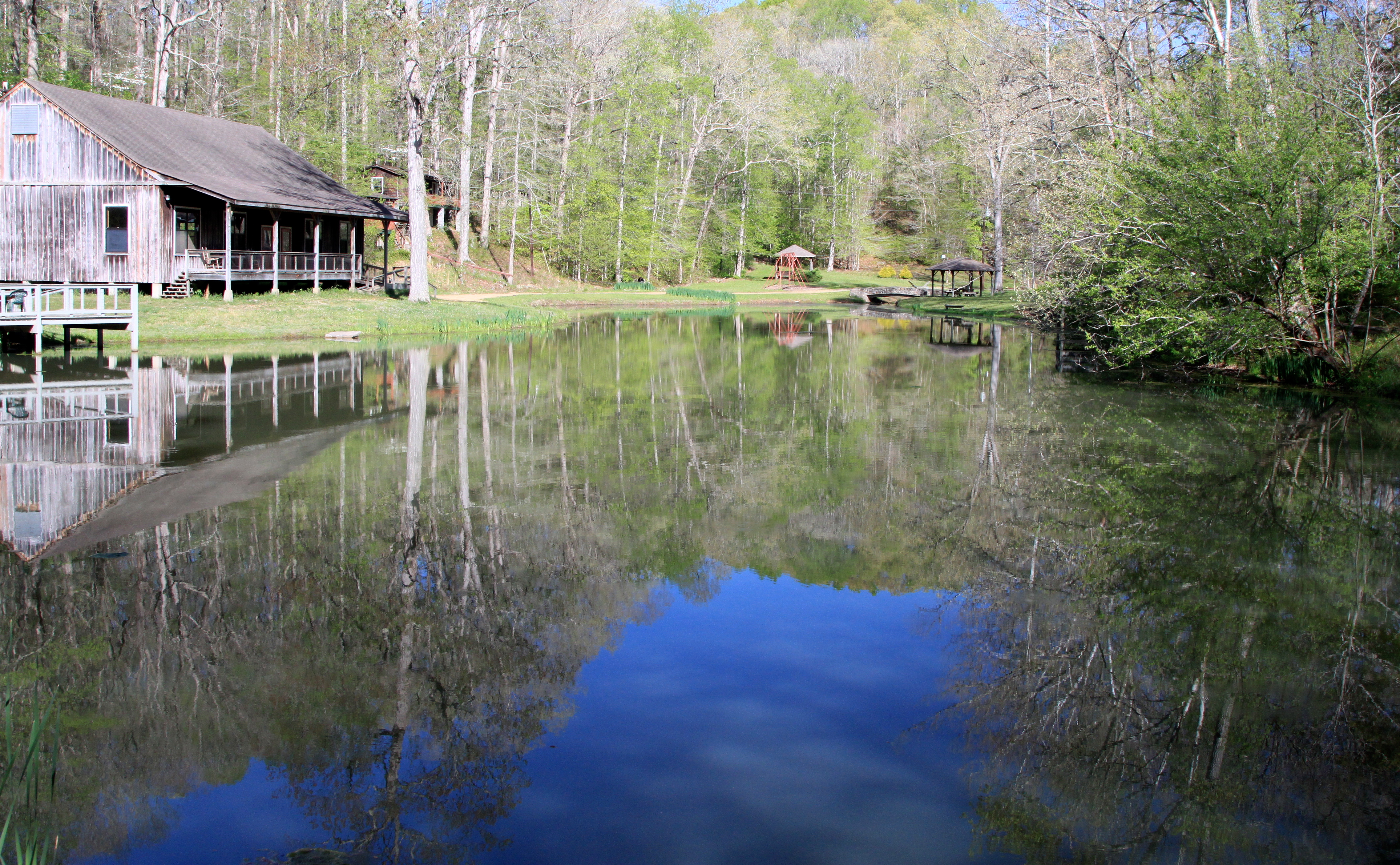
Dogwoods in Full Bloom, Bethany Hills Camp.

Dogwoods in Full Bloom, Bethany Hills Camp.

We were fortunate that the ticks weren’t out yet as spring came a little late to Bethany Hills. From Thursday evening to Sunday morning we witnessed the greening of the grounds and surrounding woods. As I first walked around the pond Thursday afternoon, seeing the hints of spring, I felt deep gratitude and joy for the time those of us attending had  set aside to remove ourselves from everyday busyness and distractions, to take the weekend to connect deeply with our hearts and minds. Its a true gift to offer this to ourselves.

A good retreat will challenge its participants. Like all retreats, there were many who struggled to meet their unwanted guests or unexpected demons. At times like this, the way through is in, with compassion and courage. Facing the demons at this level can bring about transformative insight that is life changing. I’ve seen it happen time and again, and after 25 years of practice, I can say that this process still makes a difference in my own life. But what’s most rewarding to me now is watching others do what they believed impossible and witnessing the joy on their faces once the struggle has dissolved into open space.

If you’re inclined but you’ve yet to dive in to a residential retreat, its well worth it!

IMG_5791 IMG_5792 IMG_5801 IMG_5836

Dive In To Retreat!

This is an excerpt from Trudy Goodman’s InsightLA blog about the value of meditation retreats:

We live in a culture that doesn’t teach us how to nourish ourselves in truly fulfilling ways. Taking a day or a week or a month or more for retreat, at home or in a group, can provide the protected, safe space we need to deepen our trust in experience, to discover what we really want in this life, and to fall in love. We fall in love with life, with the miracle of awareness, with this vast reality we inhabit together.

As lay people devoted to a life of mindfulness and awakening, we are creating beautiful contemplative forms that allow us to weave loving awareness into our everyday lives. Learning from our teachers and ancestors, we respectfully bow to the ancient wisdom traditions while experimenting and inventing our own.

The forms of our Vipassana/Mindfulness/Insight meditation retreats have matured to allow us to attune our inner rhythms to the immense current of universal life flowing through us, as us. Finding our way on retreat requires some patience, but it’s well worth it. Yes, it takes effort to stop, to let our guard down, and feel safe enough to let the heart open and the bodymind unwind. Then effort surrenders to relaxing more and more in the wholeness of life as it is, and from this relaxation there can be an illuminating encounter with unknown parts of ourselves, and with the mystery of being – DIVE IN!

For the full post, go here.


InsightLA Dharma Talk on Living the Questions

This dharma talk was recorded at InsightLA on October 13, 2013. It was part of a daylong retreat I taught about how to work with our questions in a way that can help us live from our truest intentions. You can listen  here:

December Refuge and Five Precepts Ceremony

Once again this year, One Dharma will a Refuge and Precepts Ceremony each December for committed practitioners. If you’re interested, here is some general information:

About the Refuge Ceremony
Taking refuge means relying wholeheartedly on the Three Jewels of the Buddha, Dharma and Sangha to inspire and guide us toward a constructive and beneficial direction in our lives. The real taking of refuge occurs deep in our hearts and isn’t dependent on doing or saying anything. Nevertheless, we may wish to participate in the refuge ceremony by requesting a dharma teacher  to formally give us refuge. The refuge ceremony is simple: we repeat the passages after the teacher and open our hearts to make a strong connection with the Three Jewels. The ceremony also “officially” makes us a Buddhist.

About Taking Precepts
Precepts are a joy, not a burden. They aren’t designed to keep us from having a good time and to make us feel deprived. The purpose of taking precepts is to give us internal strength so that we won’t act in ways that we don’t want to. Having understood that killing, stealing, selfishness and so forth only lead us to harm ourselves and others now and in the future, we’ll want to avoid these. Taking precepts give us energy and strength to do so. Therefore, it’s said that precepts are the ornaments of the wise.

To help people overcome their disturbing attitudes and stop committing harmful actions, the Buddha set out five precepts. During the refuge ceremony, in addition to taking refuge in the Three Jewels, we can take any or all of the five precepts, and become a lay Buddhist.

The five precepts

1. I observe the precept of abstaining from the destruction of life.

2. I observe the precept of abstaining from taking that which is not given.

3. I observe the precept of abstaining from sexual misconduct.

4. I observe the precept of abstaining from falsehood.

5. I observe the precept of abstaining from intoxicants that cloud the mind and cause carelessness.

The refrain “I observe the precept of abstaining from …” which begins every precept clearly shows that these are not commandments. They are instead codes of conduct that lay Buddhists undertake out of clear understanding and conviction that they are good for both themselves and for society.

If you are interested or have questions, please contact ernst.lisa@gmail.com

Contemplative Photography and Meditation Workshop

Cultivating Clarity, Receptivity and Joy With a Camera

Saturday, October 5, 8:30 a.m. – 3:30 p.m.

Penuel Ridge Retreat Center

Led by Lisa Ernst

bluewaterPlease join us for a day of mindfulness as we combine meditation and the practice of contemplative photography. We will use our cameras as a means to reflect our mindful awareness of this moment in its myriad, ever changing forms. This contemplative approach to photography often yields unexpected and remarkable results that differ from conventional shots. There’s no need for expensive equipment or technical knowledge, just a willingness to meet the moment with your camera in an open and receptive state. A simple, yet profound joy often arises in this alliance of mind and heart, camera and surroundings.

Led by meditation teacher and artist Lisa Ernst, the workshop is suitable to beginning and experienced meditators. In addition to morning and afternoon photography sessions, the workshop will include meditation, silence and group interaction. The beautiful retreat site at Penuel Ridge includes many acres of wooded hills, open fields and a lovely, secluded lake.

The retreat fee is offered on a sliding scale from $75 – $100. Two reduced fee spots are available for those who need financial assistance.

A $50 deposit reserves your space and is due by 9/27 (or pay the full amount if you prefer). Paypal is available here. If paying by check, please make it out to One Dharma Nashville and send to One Dharma Nashville, c/o 12 South Dharma Center, 2301 12th Avenue South, Suite 202, Nashville, TN 37204. Be sure to include your email address. Additional details and directions will be provided in advance of the retreat. For more information or to reserve your spot email onedharmaretreat@gmail.com.